
The first-ever Rwanda Internet Governance Week 2026 was successfully held, bringing together stakeholders from government, the private sector, the technical community, civil society, academia, development partners, and young people across the digital ecosystem to strengthen knowledge and understanding, encourage dialogue, and promote meaningful participation in Internet governance processes.
The week-long programme featured three key events: the Rwanda School on Internet Governance (RWSIG) 2026, theRwanda Youth Internet Governance Forum (RWIGF) 2026, and the Rwanda Internet Governance Forum (RWIGF) 2026.
Organised through a collaborative multi-stakeholder approach, the activities convened diverse stakeholders to discuss emerging Internet governance issues and explore opportunities for building a secure, inclusive, and sustainable digital future for Rwanda.
Building Internet Governance Capacity through the Rwanda School on Internet Governance
The week commenced with the Rwanda School on Internet Governance (RWSIG) 2026, which brought together 100 participants from across the country, representing government, the private sector, academia, civil society, the technical community, and youth.
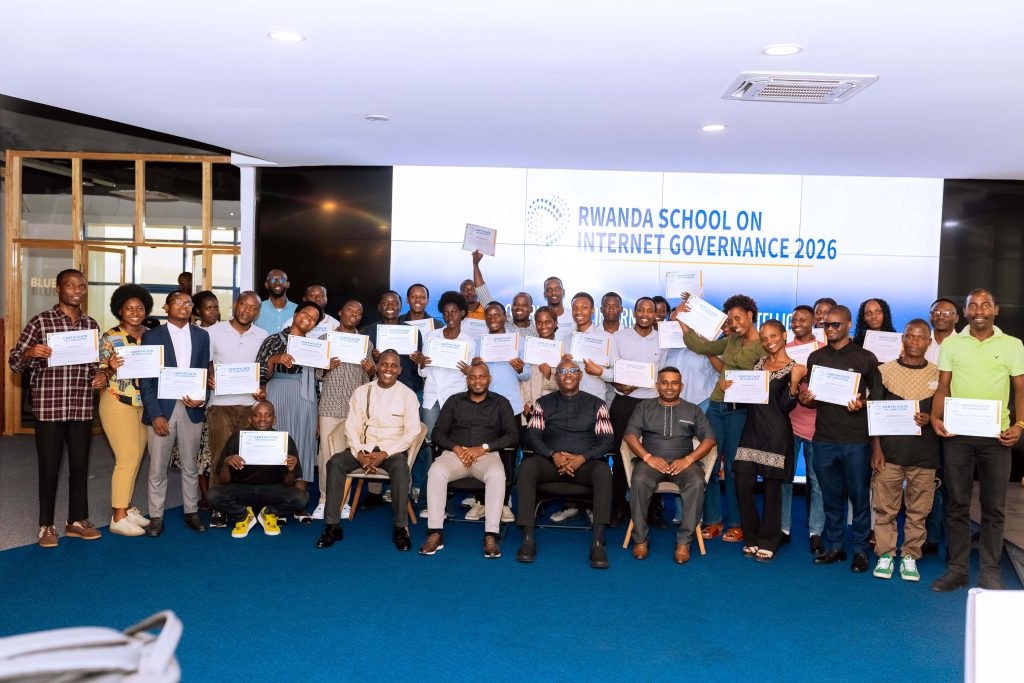
The programme combined online learning courses delivered through the Internet Society Foundation Learning Platform with interactive in-person sessions, stakeholder working groups, and plenary discussions designed to deepen participants’ understanding of Internet governance concepts and practices.
The School benefited from the expertise of representatives from the Internet Society Rwanda Chapter (ISOC Rwanda), who contributed to strengthening participants’ understanding of key Internet governance issues. Sessions covered the history and evolution of the Internet, Internet infrastructure and ecosystem, Internet standards, Domain Name System (DNS) governance, cybersecurity governance, digital divide and inclusion, digital policy, and the multi-stakeholder model of Internet governance.
The Chairperson of the Internet Society Rwanda Chapter, Emmanuel Mfitumukiza, facilitated sessions focused on the broader Internet governance ecosystem, while the Vice Chair, Jules Nizeyimana, facilitated discussions on bridging the digital divide, meaningful connectivity, and advancing inclusive access to the Internet.
Building on this foundation, participants engaged in collaborative discussions around priority digital issues, including:
- Bridging the Digital Divide in Rwanda: Expanding Inclusive and Affordable Internet Access, focusing on approaches to improve meaningful connectivity and digital inclusion.
- Balancing Online Safety, Freedom of Expression, and the Regulation of Social Media Platforms in Rwanda, exploring how stakeholders can promote safer online spaces while protecting fundamental rights.
- Pathways to Participation in Internet Governance, strengthening participants’ understanding of how they can contribute to Internet governance processes at the national, regional, and global levels.
Through stakeholder working groups and plenary sessions, participants exchanged perspectives, developed recommendations, and gained deeper insights into how different stakeholders contribute to the development and governance of the Internet. The sessions strengthened their capacity to actively participate in Internet governance processes and contribute to shaping Rwanda’s digital future.
Empowering Youth Through the Rwanda Youth Internet Governance Forum
On 27 July 2026, the Rwanda Youth Internet Governance Forum (RWIGF) 2026 was held at the University of Rwanda, Gikondo Campus, bringing together 150 young people and key stakeholders to explore the role of youth in shaping the future of the Internet.
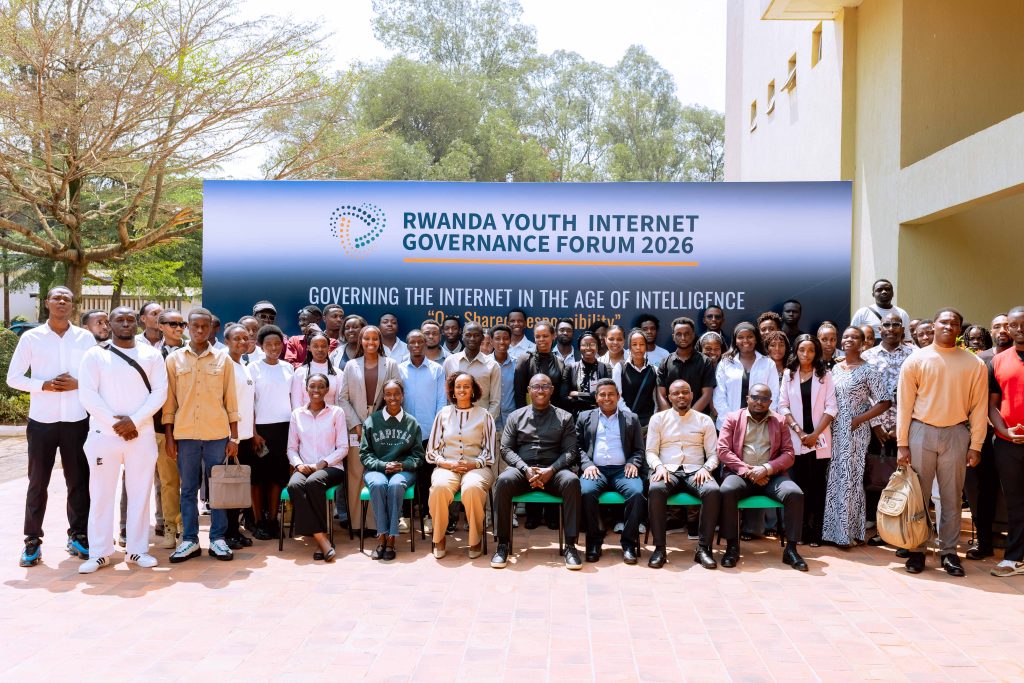
The Youth IGF provided a platform for young people to engage in discussions on emerging digital issues, share innovative ideas, and develop recommendations that contribute to broader Internet governance conversations in Rwanda.
Discussions focused on issues affecting young people in the digital era, including digital skills development, online safety, emerging technologies, innovation, and meaningful youth participation in digital policy processes.
A key highlight of the event was the demonstration of innovative solutions developed by young professionals to address digital challenges, including initiatives aimed at expanding access to digital skills and reaching underserved communities. These innovations demonstrated the creativity, commitment, and potential of Rwanda’s young digital leaders.
The Forum reaffirmed that young people are not only users of digital technologies but also important contributors to shaping the future of the Internet.
Advancing National Dialogue Through the Rwanda Internet Governance Forum
The week concluded with the Rwanda Internet Governance Forum (Rwanda IGF) 2026, Rwanda’s premier multi-stakeholder platform for dialogue on Internet governance, which was held on 30 July 2026.
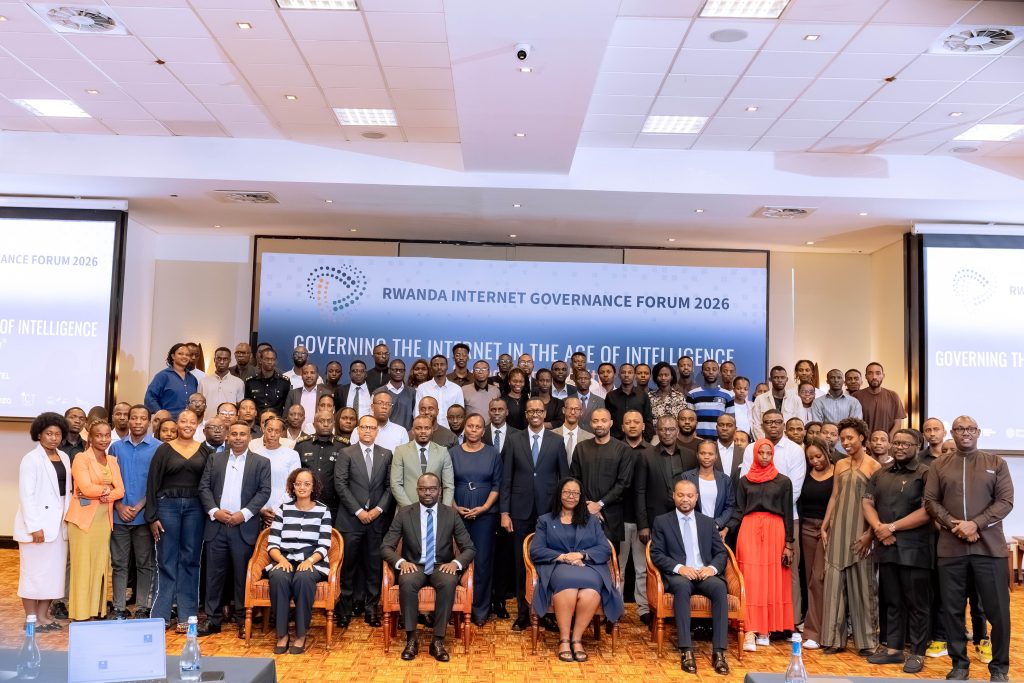
The Forum brought together over 200 participants from government, the private sector, academia, civil society, the technical community, development partners, and youth to discuss key issues shaping Rwanda’s digital future.
The opening session featured remarks from key leaders in Rwanda’s digital ecosystem, including the Chief Executive Officer of RICTA, representatives from Smart Africa and the United Nations Development Programme (UNDP), and the Guest of Honour from the Ministry of ICT and Innovation (MINICT).
The speakers emphasized the importance of continued collaboration among stakeholders to advance digital transformation, strengthen Internet governance capacity, promote innovation, and ensure that emerging technologies contribute to inclusive and sustainable development.
Held under the theme “Governing the Internet in the Age of Intelligence: Our Shared Responsibility” the Rwanda IGF featured three high-level panel discussions:
Session 1: Foundations of Trusted Digital Financial Ecosystems
Participants explored approaches to strengthening trust, security, and inclusion within Rwanda’s evolving digital financial ecosystem, highlighting the importance of secure and accessible digital financial services.
Session 2: Regulation, Innovation, and Digital Asset Opportunities
The session examined how balanced regulatory approaches can support innovation while creating opportunities associated with digital assets and emerging financial technologies.
Session 3: Artificial Intelligence (AI) Governance and Accountability in Rwanda
The discussion focused on governance frameworks, ethical considerations, and accountability mechanisms required to support the responsible development and use of artificial intelligence.
The discussions highlighted both the opportunities and challenges associated with emerging technologies and reinforced the importance of responsible innovation, collaboration, and inclusive policymaking.
Strengthening the Multistakeholder Model of Internet Governance
A key message throughout Rwanda Internet Governance Week 2026 was the importance of the multi-stakeholder model, which recognises that the future of the Internet must be shaped through collaboration among all stakeholders.
Government institutions provide policy leadership and regulatory frameworks; the private sector drives innovation and investment; the technical community contributes expertise in Internet infrastructure and standards; academia supports research and knowledge development; civil society promotes inclusive participation; and youth bring new perspectives, creativity, and solutions.
By bringing these voices together, Rwanda Internet Governance Week strengthened national capacity and created opportunities for meaningful engagement in Internet governance processes.
Looking Ahead
The successful conclusion of the first Rwanda Internet Governance Week 2026 reflects Rwanda’s continued commitment to advancing an open, secure, inclusive, and resilient Internet ecosystem.
Through the Rwanda School on Internet Governance, the Rwanda Youth Internet Governance Forum, and the Rwanda Internet Governance Forum, stakeholders expanded knowledge, advanced policy dialogue, and reaffirmed the importance of collaboration in addressing emerging digital challenges.
ISOC Rwanda together with its partners, remains committed to promoting inclusive Internet governance dialogue, building digital capacity, and empowering stakeholders to contribute meaningfully to Rwanda’s digital transformation journey and to the shared responsibility of governing the Internet in the age of intelligence.