
By Nicoletta Metri
With 89% of its population online, Kenya has one of the highest levels of Internet penetration in the world. Young people, especially the most vulnerable populations – those living in the streets and care institutions – now have access to educational, employment, and economic opportunities unheard of just a few decades ago. But a recent survey by “Safe Online, Safe On Land” on how children in Kenya use the Internet, included some surprises. The survey looked at ninety-four young people selected among 300 rescued from the streets and now attending school in children centers run by the Koinonia Community. 66% were using the Internet (78% male, 22% female) and were between 13 to 19 years of age.
The research showed that the children spent more than 20% their time online accessing inappropriate content and chatting with people they do not know. One child said, “They are just social media friends, we discuss anything with them because they are available even though we have not met.”
Safe Online, Safe On Land, supported by the Internet Society Foundation, was launched by MediaNet Works and the Internet Society Kenya Chapter to address some of these issues.
When asked, “Do you have an Internet account?” 32% of the children answered yes, even though opening
an email account or an account like Facebook or Twitter, requires disclosure
that the applicant is over 18 years of age.
How do children spend their time online?
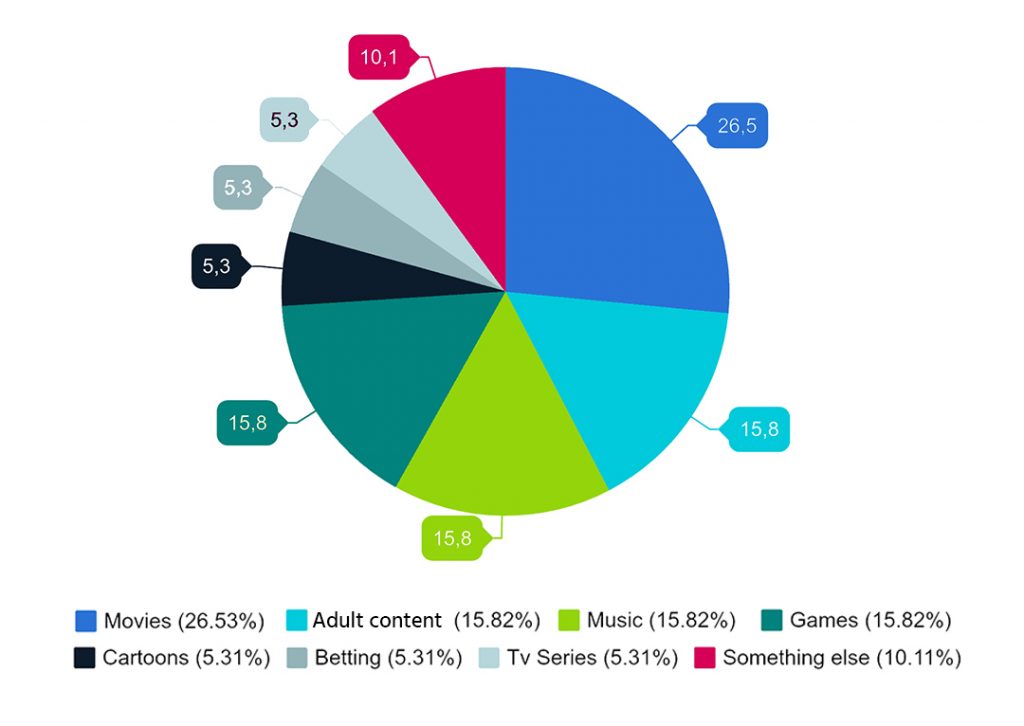
Even more surprising: while most
parents, teachers, and guardians are aware that their kids are online, they don’t
check what they are doing and with whom they are communicating.
In other
words, while the Internet can open a world of possibilities, without proper
supervision and education, it can also expose young people, who are especially
impressionable, to dangers. Through social networking
sites, unsupervised children can post personal information, such as mobile numbers
and home and email addresses, making it easier for predators and traffickers to
find them. They can also be exposed to radical content, adult content, and
cyberbullying.
Safe
Online, Safe On Land was launched in February 2018 by
MediaNet Works and the Internet Society
Kenya Chapter to address some of these
issues. The 12-month program promoted safe Internet usage and practices to Kenyan children. It
was supported by the Internet Society Foundation and its Beyond the Net Funding Programme, and designed to benefit over 700 former
street children living and schooling in Koinonia Community’s rehabilitation
centers.
The project’s main goals:
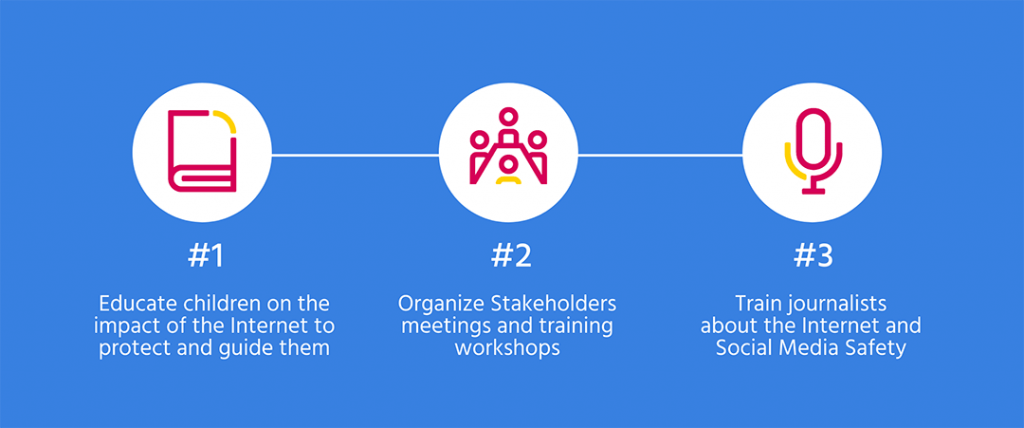
MediaNet Works and the Kenya Chapter were committed to creating a partnership program with organizations from County Governments, ISPs, ICT Industry, donors, and individuals to encourage safe and responsible use of the Internet. By all measures the project was successful. There were 30 participants, including the executive directors of Koinonia Community management, who presented the project to the Nairobi Child Protection Team. Safe Online, Safe On Land also enhanced the partnership with the Communication Commission of Kenya, Kajiado County Children & Youth Department, and initiated a partnership with the Tangaza University College.
The
project also aimed to educate the media on Internet and social media safety. A one-day event brought together 20 media professionals: 9
journalists that included Royal Media Services, Kenya Broadcasting Corporation (KBC),
and Standard Media (KTN); 2 community radio
stations (Radio Domus FM and Mtaani Radio FM); Bloggers Association of Kenya (BAKE); and Kenya
Correspondents Association (KCA),
representing freelance journalists in Kenya. As a result of this training, media
coverage on the topic of safer Internet use by youth included five radio/TV
features, three TV shows, four articles, and one documentary.
Children learn through
exploration and natural curiosity. The Internet is a wonderful tool, but we
must help kids benefit from it without being exposed to the potential dangers.
This pilot project can be scaled up around the world to achieve long-term,
lasting change in hundreds of thousands of children and teens.
Watch the video of
KTN News Kenya
The post In Kenya, Helping Kids Use the Internet Responsibly appeared first on Internet Society Foundation.